.jpg?width=2000&height=718&name=Ascend%20-%20Email%20Blast%20-%20Early%20Bird-1%20(3).jpg "Ascend - Email Blast - Early Bird-1 (3)")

The Big Beautiful Bill: Why Its Impact on Employee Benefits Comes Into Focus at Ascend 2026

Steven Amiel
Major healthcare change rarely announces itself with fireworks.
It arrives quietly — through policy language, regulatory signals, and shifts in who holds real influence. The Big Beautiful Bill is one of those moments.
While headlines focus on surface-level reform, the deeper story is what this bill represents: a structural reset in how healthcare is governed, delivered, and paid for in the United States. For employers and benefits advisers, its implications will shape the next decade.
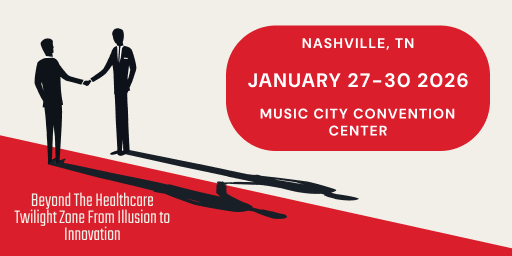
And those implications come into focus at Ascend 2026.
What the Big Beautiful Bill Signals
At its core, the Big Beautiful Bill reflects a governing philosophy that breaks with long-standing healthcare orthodoxy.
Key themes emerging from Washington include:
- A move away from protecting legacy medical and insurance institutions
- Increased emphasis on transparency, consumer value, and accountability
- Regulatory openness to challenging long-held assumptions in medicine and benefits
- Willingness to disrupt incrementalism in favor of system-level change
This is not a minor adjustment. It’s a recalibration of power.
For decades, employer health plans have been forced to operate inside rigid, opaque structures designed to preserve complexity. The Big Beautiful Bill begins to shift that balance — opening the door for employers ready to operate differently.
Why Self-Funded Employers Stand to Gain
The bill’s most meaningful impact may not be immediate policy headlines, but what it enables over time.
As regulatory posture shifts:
- Transparency becomes less optional
- Outcomes matter more than volume
- Status quo plan designs face greater scrutiny
- Employers gain leverage to demand better value
Self-funded employers — already closer to the metal — are best positioned to benefit. But only if they understand how to navigate the changes strategically.
This is where most organizations struggle. Policy change alone doesn’t create results. Execution does.
What Was Learned Behind Closed Doors in Washington
At the invitation-only MAHA Summit in Washington, D.C., NextGen Benefits founder Nelson Griswold witnessed firsthand how the Big Beautiful Bill fits into a broader realignment of healthcare leadership.
Senior figures across HHS, CMS, FDA, and NIH signaled a shared willingness to:
- Question entrenched medical groupthink
- Reevaluate long-standing regulatory assumptions
- Encourage innovation beyond traditional insurance-driven models
- Shift from managing sickness toward enabling health
The message was clear: the next phase of healthcare will reward those willing to challenge convention — and penalize those clinging to it.
Why Ascend 2026 Is Where This Becomes Actionable
Ascend has never been about policy for policy’s sake. It exists to help employers and advisers turn signals into strategy.
At Ascend 2026, the Big, Beautiful Bill is examined through a practical lens:
- What it means for employer plan design
- How advisers should reposition for a changing regulatory environment
- Where innovation will actually reduce cost and improve outcomes
- How to lead employers through uncertainty with confidence
This is not speculation. It’s preparation.
The Bottom Line
The Big Beautiful Bill is not the end of reform.
It’s the opening chapter of a new era.
The employers and advisers who win in the next decade will be those who understand the shift early — and act decisively.
Decade Two starts at Ascend.
Join us at Ascend 2026 to understand what’s changing, why it matters, and how to move forward with clarity.
Learn more and register at AttendAscend.com